
Your garden trees add shade, beauty and value to your property, but deep below the surface, some tree roots are silently working their way toward one of the most valuable and vulnerable parts of your home: your underground pipes. What looks harmless above ground can cause serious plumbing headaches if left unchecked.
In this post, we’ll explain what really happens when tree roots meet plumbing, how to recognise the signs, and what you can do about it, with expert insights from Call Curran tree root removal and plumbing professionals.
Why Tree Roots Are So Drawn to Your Pipes
Tree roots aren’t trying to damage your plumbing; they’re simply doing what nature programmed them to do: seek water and nutrients. Underground sewer and drain pipes carry water continuously, and even tiny amounts of moisture escaping from a cracked joint can attract roots from metres away.
Here’s how roots find their way:
- Moisture and condensation: Tiny leaks, warm soil around sewer lines and condensation on pipe surfaces emit moisture that roots can sense.
- Warm, nutrient‑rich environment: Pipes with wastewater create a micro‑environment that’s surprisingly appealing to roots.
- Soil and tree proximity: Trees planted too close to sewer lines dramatically increase the risk of root intrusion.
Even modern PVC pipes aren’t completely immune if there are small cracks, loose joints or ground movement, common vulnerabilities in older infrastructure.

How Tree Roots Actually Get Into Pipes
Contrary to what some people think, roots don’t chew through solid pipe walls like termites. Instead, they exploit weaknesses:
- Cracks or fractures in aging pipes.
- Loose or separated joints, more common in older clay, terracotta or concrete pipes.
- Pipe movement or soil shift creates tiny gaps.
Once a root tip finds an entry, it slips inside and grows rapidly, branching out along the inner length of the pipe. Over time, this creates dense root masses that can trap debris, restrict water flow and eventually crush the pipe from the inside.
Early Warning Signs You Might Have Root Intrusion
Tree roots don’t usually cause an immediate crisis, instead, they quietly get worse until you notice symptoms such as:
- Slow draining toilets, sinks and showers.
- Gurgling or bubbling sounds from drains.
- Recurring blockages even after clearing.
- Foul odours around yard drains.
- Unusually lush or soggy spots in your lawn.
These can be subtle at first, but the longer you leave them, the more expensive the repair becomes.
Real Risks If You Ignore Root Intrusion
If tree roots work their way into your pipes and are left untreated, they can cause:
- Partial or complete blockages.
- Pipe cracking, collapse and structural damage.
- Sewage backups into your home or yard.
- Soil erosion, sinkholes and expensive excavations.
This is costly. Many root‑related repairs can run into the thousands if the problem isn’t identified early.
What You Can Do: Solutions and Prevention
1. Professional CCTV Inspection
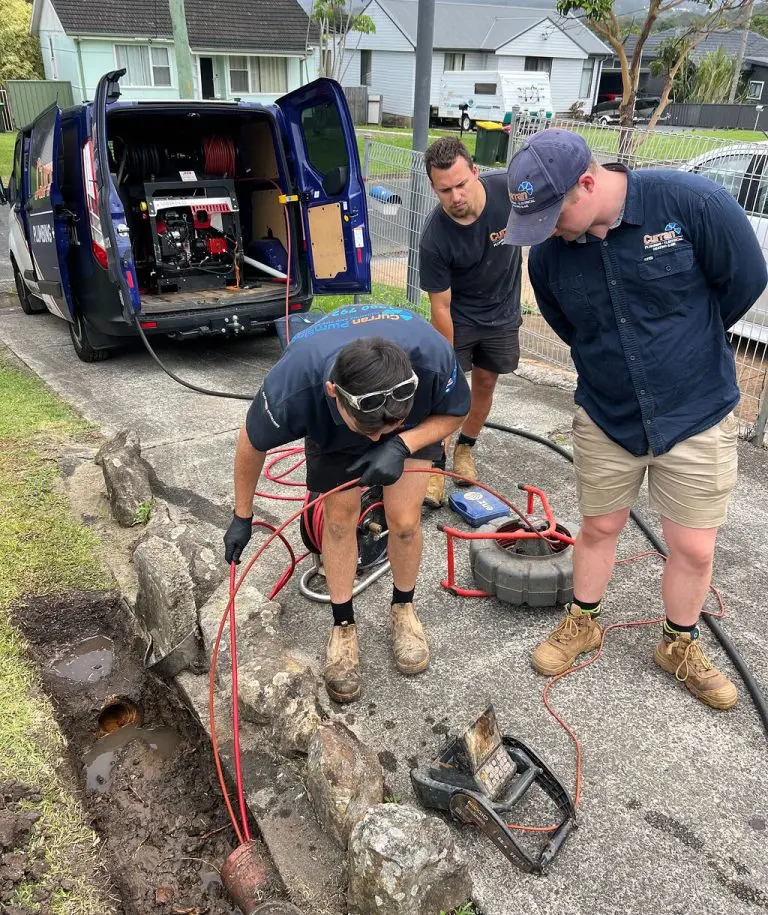
The first step to solving root issues is knowing exactly what’s going on underground. A CCTV drain camera gives plumbers a clear view of root intrusion locations and pipe condition.
2. Safe Root Removal
At Call Curran, we use high‑pressure jetting and mechanical cutting tools to remove roots safely, clearing blockages without damaging pipes.
3. Pipe Relining and Repairs
For long‑term protection, trenchless pipe relining seals cracks and joints from the inside, creating a smooth, root‑resistant surface, without digging up your yard.
4. Strategic Landscaping
Be mindful when planting trees near sewer lines. Choosing species with less aggressive roots and positioning them well away from underground services can reduce future risks.
Call the Experts Before the Roots Get Worse
Tree roots may be silent, but their impact on your plumbing can be loud and costly. If you’ve noticed any signs of blocked drains or suspect root intrusion, don’t wait until it’s a disaster.
Contact Curran. Our experienced team can inspect, diagnose and fix underground pipe issues with minimal disruption and long‑term protection.


